
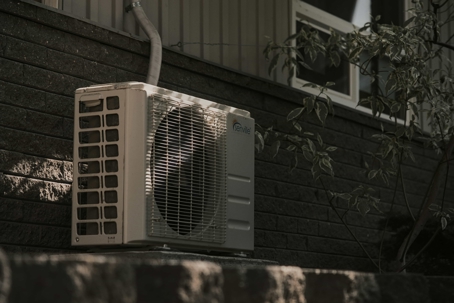
On the first real hot day in New Britain, our phones light up with the same call over and over: “The AC worked fine last summer, and now it will not kick on.” It catches people off guard because the system sat quietly all winter and seemed perfectly fine the last time they used it. The common thread we see behind many of those calls is simple. The system has not had a proper tune up in years.
If you own a home in New Britain or anywhere in central Connecticut, you might see a yearly AC tune up as optional. Maybe you change your filter a few times a season and figure that is enough. Or you might have a newer system and assume you can ignore it until it gets older. We understand that perspective, and we also see what really happens to air conditioners here when they are pushed hard every summer without regular attention.
At Climatech Mechanical Heating and Air Conditioning Services, we have been working on Connecticut HVAC systems since 1994, and our founder, Mike Naski, has been in the trade since 1994. Over those decades, we have handled many no cooling calls across New Haven, Middlesex, and Hartford counties, including plenty of homes in and around New Britain. In this guide, we want to share what we have learned about yearly AC tune ups, why they matter in our climate, and what actually happens during a real maintenance visit, so you can decide what makes sense for your home.
Why New Britain Air Conditioners Need Yearly Attention
Air conditioners in New Britain and across central Connecticut live a tough life. For months, they sit idle through cold, damp winters, exposed to snow, ice, and road salt in the air. Then, often in May or June, we jump straight into warm, humid weather and ask those same systems to run hard for hours at a time. That sudden shift from sitting still to full workload is exactly when weak components and dirty coils tend to show themselves.
Our region also has plenty of trees, pollen, and cottonwood fluff in late spring. All that floating debris sticks to the outdoor condenser coil, especially when it is damp. Over one cooling season, that coil can go from clean aluminum fins to a matted layer of dirt and plant material. Indoors, dust, pet hair, and construction dust collect on the blower wheel and evaporator coil, even if you change filters fairly regularly. We often open systems in New Britain that are only a few years old and find more buildup than the owner expected.
That dirt and debris matter because your AC works by moving heat, not by creating cold air. The outdoor condenser coil needs clean metal surface area to dump heat from your home into the outside air. The indoor evaporator coil needs clear airflow to absorb heat and remove humidity. When those coils are coated with grime, the system has to run longer and harder to do the same job. Over time, that extra strain shows up as higher electric bills, hot rooms, and, eventually, failed capacitors, overworked fan motors, and compressors that run hotter than they should.
After many cooling seasons in central Connecticut, we see a clear pattern. Systems that receive regular, thorough tune ups tend to have fewer mid season breakdowns and hold their performance longer. Systems that are ignored until they “act up” often arrive at that first repair call with multiple issues developing at once, which makes decisions more stressful and expensive. Yearly attention is about staying ahead of that curve, especially in a climate that swings as much as ours.
What a Professional AC Tune Up Actually Includes
A real AC tune up is much more than a quick look and a hose down of the outside unit. When we come to a New Britain home for yearly maintenance, we follow a structured process that checks, measures, and cleans the parts of your system that most affect performance and reliability. The goal is to bring the system as close as practical to how it operated when it was new.
We usually start with a full visual inspection of both the outdoor condenser and the indoor air handler or furnace. We look for signs of oil around refrigerant lines, corrosion on electrical connections, sagging insulation, or anything that suggests past overheating or leaks. From there, we move into a set of standard tasks that cover the major areas of the system and give us a clear picture of how it is running.
Most professional tune ups with us include tasks such as:
- Cleaning the outdoor condenser coil, removing dirt, leaves, and cottonwood that block airflow and reduce heat transfer.
- Inspecting and testing electrical components, like capacitors and contactors, to see if they are within proper ranges or starting to weaken.
- Checking refrigerant charge, using pressure and temperature readings to see if the system is running with too little or too much refrigerant.
- Inspecting the indoor evaporator coil and blower, looking for dust buildup that can cut airflow and cooling capacity.
- Verifying airflow and filter condition, including return and supply vents and any signs of restricted ductwork.
- Clearing and testing the condensate drain, to help reduce the chance of water backups and leaks during heavy cooling and dehumidification.
- Checking thermostat operation and controls, to confirm the system responds correctly and cycles as it should.
During these checks, our licensed technicians take readings and compare them to what your equipment should be doing. For example, they look at the temperature split, which is the difference between the air going into your system and the air coming out at the supply register. If that number is off, it points to issues with refrigerant charge, airflow, or coil condition. They might also check basic static pressure, which gives a sense of how easily air moves through your ducts and filter.
Because we require or encourage NATE (North American Technician Excellence) certification for our technicians, they are trained to interpret these measurements instead of just writing them down. They know how a slightly low refrigerant charge behaves compared to dirty coils, or how a weak capacitor shows up on the meter before it fails. That knowledge is what turns a checklist into a real tune up, and it is a big part of why yearly maintenance can make such a noticeable difference.
How Yearly Tune Ups Help Prevent Breakdowns and Big Bills
When homeowners hear that tune ups can prevent breakdowns, it sometimes sounds like marketing. In our experience, the reality is more practical. A yearly visit gives us a chance to find small, inexpensive problems while they are still just starting to form, instead of waiting until they stop the system altogether on a 90 degree day in New Britain.
One of the most common examples is a weak capacitor. This small electrical part helps your compressor and fan motors start and run smoothly. Over time, heat and age wear it down. During a tune up, we test the capacitor and often find values drifting outside the proper range. Replacing it at that point is relatively quick and affordable. If it fails completely on a hot afternoon, the system may not start at all, and the overheated motor or compressor can suffer damage from repeated failed start attempts.
We see similar patterns with contactors, which are the switches that send power to the compressor and outdoor fan. Pitted or burned contacts can cause intermittent operation or no cooling calls. During a tune up, we can spot that wear before it progresses. Low refrigerant charge is another problem that tends to show up gradually. If the system runs low, it often runs longer and may ice up, stressing the compressor and leaving you with warm air out of the vents. Catching that trend during maintenance, then investigating for leaks, is much less disruptive than waking up to a frozen system in July.
Dirty coils and clogged condensate drains tell the same story. A heavily fouled evaporator coil not only reduces cooling capacity, it can cause the coil to freeze and block airflow entirely, which often prompts emergency calls when you can least afford to wait. A partially blocked drain can quietly develop into an attic or closet leak, staining ceilings and damaging finishes. During a yearly tune up, we clean and clear these areas so they are less likely to cause surprises mid season.
No amount of maintenance can remove all risk. Components age, and some failures happen without much warning. What we see over and over in central Connecticut is that systems with regular, documented tune ups have fewer of those “everything at once” breakdowns and more manageable, single issue repairs. That can mean fewer urgent visits, more predictable costs, and less time sweating in a hot house while waiting for help.
The Efficiency & Comfort Benefits You Can Actually Feel
Many people think of a tune up as insurance against breakdowns, but there is another side to the story. A well maintained system often cools more evenly and uses less energy than the same unit choked with dirt and running with poor airflow. You feel that difference in the way your home cools down in the evening and in how your electric bill looks during a New Britain heat wave.
Your air conditioner’s job is to pull heat and moisture out of the indoor air and dump that heat outside. If the indoor coil is dirty or the blower wheel is coated in dust, the system cannot move enough air across the coil. That often shows up as rooms that never quite reach the set temperature or as a sticky feeling in the house because the unit is not removing as much humidity as it should. After a proper cleaning and airflow check, we often hear that upstairs bedrooms are more comfortable or that the system does not seem to struggle as much in the late afternoon sun.
Efficiency takes a similar hit when coils are clogged or refrigerant charge is off. A condenser coil matted with debris cannot release heat efficiently. The compressor and fan have to run longer to move the same amount of heat, which draws more power. Too little or too much refrigerant can cause similar problems, forcing the system to work harder than it was designed to. By getting coils clean and charge within proper ranges, a tune up can help your system run closer to its intended efficiency, so each hour of runtime does more useful cooling.
Because we also maintain larger commercial and industrial systems across Connecticut, we see how even small efficiency losses add up for businesses. The same principles apply in your home. You might not track kilowatt hours like a plant manager, but you will notice when the AC cycles feel smoother, rooms are more consistent, and the system does not seem to be running flat out every time the temperature climbs above 85 degrees. Those are the kinds of comfort improvements homeowners often report after a thorough tune up.
When To Schedule Your Tune Up and What To Expect During the Visit
In New Britain, the best time to schedule a yearly AC tune up is usually in the spring, before the first extended stretch of hot, humid weather. That timing gives us room to clean, adjust, and handle any small repairs before your system is under constant load. It also helps you avoid the scheduling crunch that hits when many people call during the first June heat wave after discovering their AC will not keep up.
When we come out for a tune up, we treat it as a working visit, not a quick drop in. A typical residential appointment usually takes long enough for a thorough inspection and cleaning of both the indoor and outdoor components. We ask for access to your thermostat, indoor unit, and outdoor condenser, and we may step through different rooms to check airflow at supply registers. If you have any comfort issues, such as hot upstairs rooms or a damp basement, that is a great time to show us.
We start the system, observe how it runs, and then shut it down for cleaning and internal checks. As we work, we test electrical parts, take temperature and pressure readings, and clear the condensate drain. If we find developing issues, such as a weakening capacitor or heavy coil buildup, we document them and discuss options with you before doing additional work. You hear what we saw, what it means, and what it costs before you agree to anything.
Our philosophy as a family owned company is to solve problems, not chase quotas. That shows up in how we handle maintenance visits. We explain what we find in plain English, show you parts when it is helpful, and answer questions so you can make an informed decision. If everything looks good, you gain the peace of mind that your system is ready for summer. If something needs attention, you hear about it from a technician who is there to help, not to push you into a replacement you do not need.
Do Newer Systems Really Need Yearly Tune Ups?
We hear this question a lot from New Britain homeowners who installed new air conditioners within the last few years. It is natural to think that a new system can be left alone for a while. After all, everything inside it is fresh from the factory. The catch is that the environment around the system is not new. Pollen, dust, pet hair, and outdoor debris start attacking new equipment from day one.
Even in the first one or two cooling seasons, we see newer systems develop dirty outdoor coils and indoor blower buildup, especially in homes with pets or a lot of nearby trees. If the original install left airflow tight or ducts slightly undersized, those early years of operation can already be hard on the blower motor and compressor. A yearly tune up gives us a chance to keep those parts clean and to catch any installation quirks early before they turn into chronic comfort problems.
Many manufacturers recommend regular professional maintenance in their owner materials, especially when it comes to protecting your investment over time. They design these systems to operate within certain temperature, pressure, and airflow ranges. When coils are dirty or charge drifts, the equipment spends years running outside those ideal ranges. That can shorten its effective life, even if it is only a few seasons old.
Another benefit of yearly tune ups on newer systems is the maintenance history they create. When the unit ages and you eventually face a repair versus replace decision, it helps to look back and see how it has been maintained. A system with a clear record of regular service and stable performance is often a better candidate for repair. One that has been neglected may point more clearly toward replacement. Either way, that history gives you and us more real information to work with when the time comes.
Why Homeowners in New Britain Choose Climatech Mechanical for AC Tune Ups
When you invite someone into your home to work on your air conditioner, you are trusting them with a critical system and a significant investment. Many homeowners in New Britain and across central Connecticut choose Climatech Mechanical Heating and Air Conditioning Services because they want a company with deep local roots and a long record of doing right by customers. We have been serving this region since 1994, and our founder has been hands on in Connecticut HVAC since 1994, so we have grown up with the communities we serve.
Our continuous A+ rating with the Better Business Bureau since 2004 is one outside measure of how we operate. It reflects years of showing up, communicating clearly, and standing behind our work. Inside the company, we hold our technicians to high standards, requiring licensing and encouraging NATE certification, which is a rigorous credential in our industry. That matters on a tune up because good maintenance is as much about what a technician notices and measures as it is about what they clean.
We also bring a wide range of experience to residential maintenance. Along with homes in New Haven, Middlesex, and Hartford counties, we handle complex commercial and industrial HVACR systems, from office buildings to manufacturing facilities across Connecticut. The procedures and attention to detail those larger systems demand inform how we approach a simple split system in a New Britain cape or colonial. You get the benefit of a team that is comfortable with both the basics and the challenging jobs.
Most of all, we are a family business that views customers as neighbors, not account numbers. Our mission is to solve problems and keep you comfortable, not to push equipment you do not need. When we recommend a yearly tune up, it is because we have seen, season after season, how much easier life is for homeowners whose systems get that level of care, especially when the first hot week of summer hits.
Get Your New Britain AC Ready For Summer
A yearly air conditioner tune up is not about checking a box on a maintenance list. It is about giving your system a fair chance to handle New Britain’s humid summers without constant strain, surprise breakdowns, and uneven comfort. Clean coils, healthy electrical components, proper refrigerant levels, and good airflow all come together to help keep your home cooler, your system running smoother, and your decisions less rushed when something does need attention.
If you are not sure when your AC was last serviced, or you have noticed it working harder than it used to, this is a good time to get ahead of the season. Our team at Climatech Mechanical Heating and Air Conditioning Services can walk through your system, explain what we see in clear terms, and help you decide the right next step for your home. To schedule a yearly tune up or talk through your situation, call us today.
(475) 253-5209